


 This weekend I started training toward my instrument rating. My flight instructor is a great teacher and will be a good fit. After about an hour of ground instruction, we logged 1.8 hours in the flight simulator. We did basic attitude instrument flying in the clouds and shot an instrument approach through the rain.
Category: aviation
-
Instrument Training Lesson 1
-
My Experience with an In-flight Engine Failure
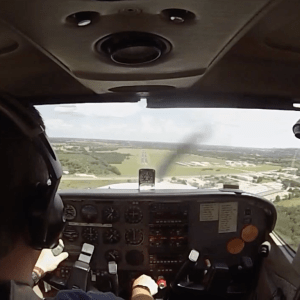 I attended an FAA safety seminar last weekend about engine failures, and it has me thinking about my personal experiences.
I experienced my only engine failure to date shortly after a night takeoff, which in my opinion is the absolute the worst time to lose confidence in your engine.
I was a relatively new student pilot and still several months away from my checkride. My instructor and I had just departed on a night cross-country flight. I was at the controls, climbing out of 1,500 feet AGL just a few miles from the airport when the engine stuttered. My instructor didn’t notice the engine’s hesitation. My attention went to the tachometer. It slid downward a second time. The plane pulled. This time she noticed. I was keenly aware that we were engulfed in a black, night sky. A highway below contained considerable traffic so wasn’t an option. If we had to put the plane down into the blackness, there would be no telling where we’d end up. There was no way to know what was inside that abyss –– farm equipment, livestock, fences, water. All were dismal landing environments.
-
Aviation Decision Making
 It’s been a long, hot summer here in Austin. We’ve had more than 50 days of temperatures hitting 100 degrees or higher. As I’m not particularly fond of flying in excessive heat, I grounded myself for much of the summer. But today’s high of (only) 90+ degrees seemed like a good time to go flying and reset my currency in preparation for the upcoming cooler flying season.
After a methodical preflight, however, I did one final check of Foreflight radar just before starting the engine and was dismayed to see brand new thunderstorm cells popping up throughout the area. These new cells were tracking directly toward my planned route.
It would have been easy to go. It’s easy to feel pressured to make a go decision after so much time has been invested in the flight. I certainly felt that mental tug toward a poor decision today. I found myself trying to justify a go decision. Maybe I could beat the storms? Or I could route between them? Both were poor decisions, I concluded, and I started the humbling process of shutting down the airplane, packing my headset and sectional chart and securing the plane before driving home.
I’m grateful for the instructors over the years who stressed to me the importance of always being willing to walk away from a flight. One mental trick I use is to assume the flight will be a no-go all the way up to the completion of the Before Takeoff checklist. This way, both the airplane and the conditions need to convince me of their airworthiness. NTSB accident and incident reports are full of pilots who became too invested in their flight and continued on into poor weather or with unairworthy equipment. Mature pilots will resist that powerful temptation to fly when conditions or aircraft tell them to go home.
-
More Backcountry Flying
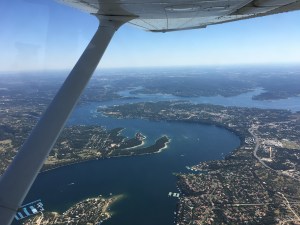
I’ve been flying more to build time and prepare for instrument training. This week we flew to Llano and met some guys who were waiting as a mechanic replaced a magneto on their Maule. We also met Larry Snyder of the Ercoupe Owners Club, who had flown in from Arkansas for lunch. After a stop in Fredericksburg, we headed back to Austin and encountered some moderate turbulence west of the city, resulting in a PIREP. Foreflight continues to be an amazing tool for managing flight plans and other details.
[ngg_images source=”galleries” container_ids=”1″ display_type=”photocrati-nextgen_basic_slideshow” gallery_width=”600″ gallery_height=”400″ cycle_effect=”fade” cycle_interval=”7″ show_thumbnail_link=”0″ thumbnail_link_text=”[thumbnails]” order_by=”sortorder” order_direction=”ASC” returns=”included” maximum_entity_count=”500″]
-
The OpenAirplane Universal Checkout
Like many pilots on vacation, I often find myself staring skyward and wishing I could stop at a local FBO and sign out an airplane. Doing so isn’t especially difficult, but it does requires a checkout and enough paperwork to make the endeavor more chore than adventure.
But thanks to OpenAirplane and its Universal Pilot Checkout concept, I can now easily rent from about 100 operators in more than 32 states using little more than my iPad.
-
Labor Day Weekend Flying: Lockhart, Texas
Saturday was a good day to fly to Lockhart with Lauren for BBQ.
-
All Watched Over by Machines of Loving Grace
A few minutes after landing at Brenham Municipal Airport, I’m greeted by a cheerful waitress in a poodle skirt. She leads me to a booth at the airport’s 1950s themed diner, not minding that I’m distracted and weary from a gamey landing that included a gusting and wavering crosswind. Like all experiences that are both challenging and rewarding, the crosswind nudges me out of my comfort zone.

I order lunch as two men who appear to be in their 70s discuss aviation fuel prices from the booth next to me. The Brenham Airport Diner is one of two themed diners frequented by pilots and aviation enthusiasts in Central Texas. The other, Gillespie County Airport, is 130 miles west of here and features a theme that pays tribute to the Pacific Ocean theater of World War II.
As I take in my surroundings, I wonder if my generation will produce enough pilots to justify airport theme diners.
After lunch I preflight and fuel the airplane. The winds have calmed some, and the area weather stations report that clouds are continuing to rise into the autumn sky. The Cessna climbs rapidly in the cool air, cutting through the wind, toward home.

 Michael Castellon