


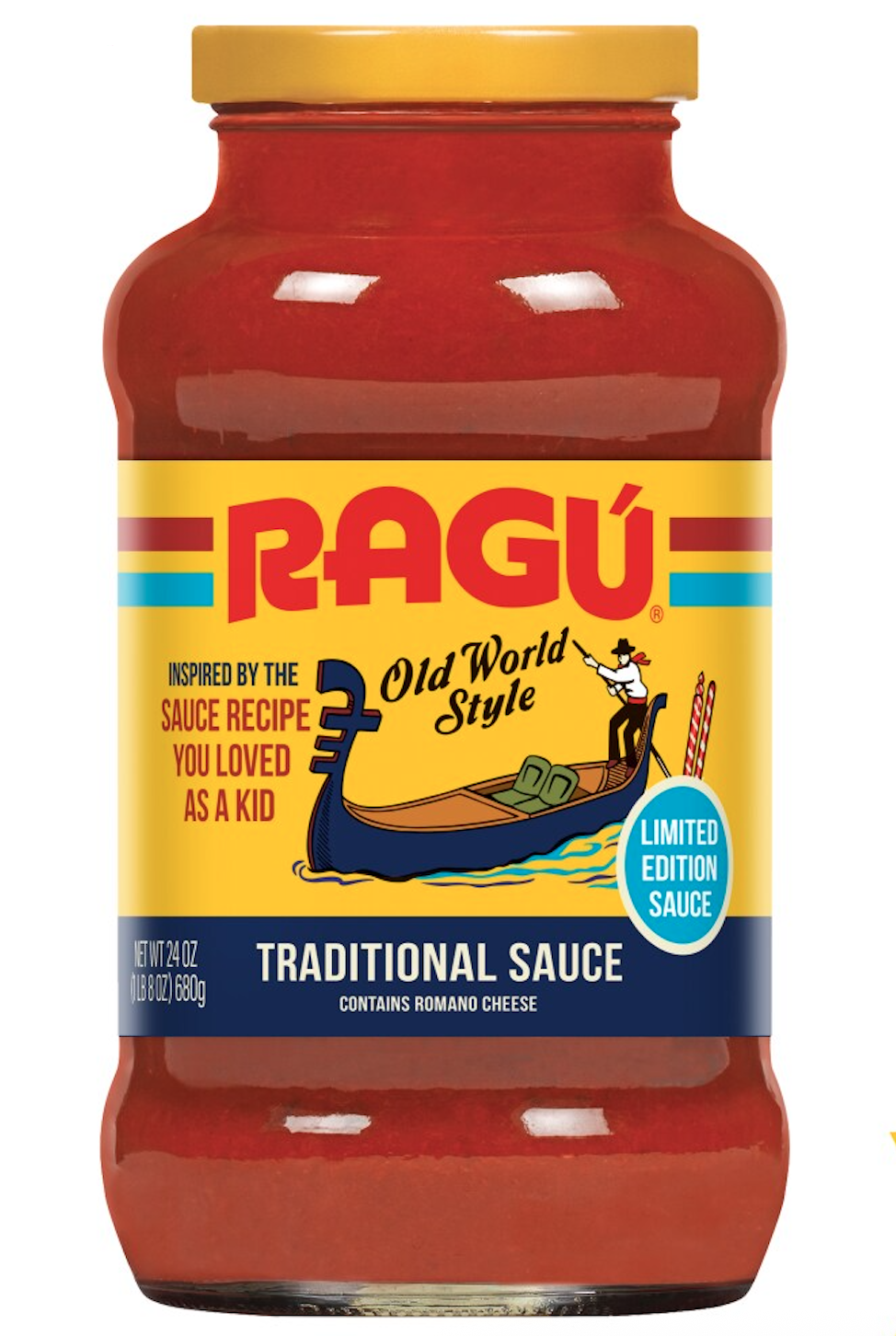
We live in a forward-facing world. Technology promises acceleration. Medicine promises longevity. Industries compete to predict the next desire even before we can name it. We are coached to fixate on what comes next. And yet, amid our relentless futurism, food remains oddly rooted in the past.
Here in Austin and around the world, farmers markets and grocery stores have a distinct vocabulary: rustic, heirloom, heritage, handcrafted, old-world.
The typography evokes old-world aesthetics. The packaging calls to mind a grandmother’s pantry or a pre-industrial kitchen. Even mass-produced items are dressed in artisanship and ancestral wisdom. This is not the sleek, metallic aesthetic of the future. It is the aesthetic of memory.
Restaurants, especially in trend-conscious cities like Austin, will do just about anything to feel older than they are. A hip brunch spot opens in a defunct laundromat, all faded signage and ironic detergent boxes. Another serves craft cocktails in a former schoolhouse, with drinks named things like “Trapper Keeper” and “Chemistry” … more yearbook kitsch than history lesson. The message is clear: authenticity can be manufactured, and nothing says “trust us” like pretending your restaurant has always been there, just waiting for its moment to gentrify.
Why does food resist the forward thrust of culture? Why do we want it to?
Food carries an emotional weight that other products do not. We often eat to remember. A dish prepared a certain way becomes a mnemonic device. It transports us to another room, another table, another time. And marketers understand this. They promise not just flavor, but familiarity. When a cereal brand revives a vintage box design, or a pasta sauce boasts a recipe unchanged for nearly a century, it is not merely marketing a product. They are selling us a portal to another time.
In tech, the past is something to be escaped. There, the old is synonymous with the obsolete. Newness is a currency, and anything that lingers too long risks being disrupted. In food, however, the old often means the trusted. It suggests origins, integrity, and a time before processing and preservatives, before supply chains grew invisible and flavor was engineered.
This hints at a cultural tension between control and surrender. Much of modern life, and marketing, is designed to minimize uncertainty. Algorithms curate our preferences. Interfaces eliminate friction. But food remains messy. It resists full abstraction. To grow it, to cook it, even to taste it requires contact with the uncontrollabl e— weather, biology, hunger, and mood. The invocation of the past in food marketing is a way of making peace with this uncertainty.
This longing, of course, is often commercialized to the point of parody. The phrase “small batch” has appeared on mass-market ice cream. “Artisanal” has been applied to mayonnaise.
Even the past can be pretentious. Yet even through the exaggeration, the instinct is revealing. We do not simply want efficiency. We want meaning. And food, more than almost any other commodity, carries the burden of supplying it.
In the end, the rustic label or the heritage font is not a rejection of progress. It is a reminder that not all progress looks forward. Sometimes it looks back. And sometimes, if only for the length of a meal, it allows us to dwell in a version of the world where things felt more whole.

